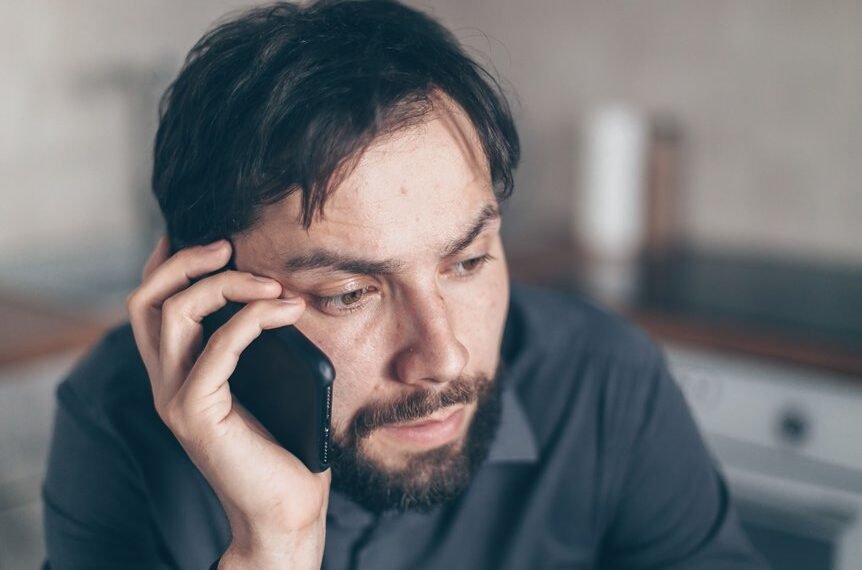
Common concerns related to 8132060455 center on intent, verification, legitimacy, and privacy. A disciplined approach involves official verification channels, cross-checking numbers against trusted contacts, and avoiding disclosure of sensitive data. By evaluating signaling patterns, timing, and language consistency, one can gauge legitimacy while remaining wary of spoofing. Transparent procedures, documented steps, and user education on scam indicators are essential, with clear guidance on reporting suspicious activity—leaving the path forward guarded by prudence and scrutiny.
What 8132060455 Might Be Trying to Do
The number 8132060455 could signify a range of intentions behind a caller or message, and identifying the most likely goal requires careful consideration of typical patterns in unsolicited or uncertain communications.
Inference relies on reporting patterns, frequency, and context, rather than assumptions.
The assessment remains provisional, emphasizing evidence, transparency, and safeguards to preserve user autonomy and freedom in decision-making.
null, null.
How to Verify Who’s Calling or Texting You
To verify who is calling or texting, readers should establish a clear process for confirming identity before engaging.
A neutral protocol includes verifying caller_identity via official channels, cross-checking numbers against trusted contacts, and assessing message context without disclosing sensitive data.
This disciplined approach helps protect_privacy, reduces risky disclosures, and supports informed decisions while maintaining individual autonomy and freedom.
Evaluating Legitimacy and Privacy Risks
Evaluating legitimacy and privacy risks requires a structured approach: assess dialed or texted numbers for known patterns of spoofing, verify sender credentials through official channels, and examine metadata such as timing, frequency, and language consistency.
Privacy risks emerge when data handling or third-party access is opaque.
Evaluating legitimacy relies on verifiable signals, documented procedures, and transparent disclosure to users.
Practical Steps to Protect Yourself From Scams and Misuse
Practical steps to protect oneself from scams and misuse build on the previous assessment of legitimacy and privacy risks by translating analysis into concrete actions. The approach emphasizes awareness of scam indicators, prudent information sharing, and consistent caller authentication checks.
Individuals should verify caller identities independently, enable multi-factor authentication, and report suspicious contacts to trusted channels to maintain autonomy and reduce misuse risk.
Frequently Asked Questions
Can 8132060455 Be Used for Legitimate Business Purposes?
Yes, 8132060455 can be used for legitimate business purposes, provided it adheres to professional contact guidelines and relevant regulations. The practice supports legitimate business usage and clear, transparent communication aligned with professional contact guidelines.
Are There Legal Consequences for Receiving Calls From This Number?
Receiving calls from this number can have legal consequences depending on jurisdiction and conduct; privacy concerns and data sharing may influence enforcement, with potential penalties for violations of telemarketing, consent, or harassment laws.
How Does This Number Affect My Credit or Personal Data?
The number can affect privacy impact and data protection only if it collects or shares personal information; without consent, its impact is limited. Independent verification shows minimal direct credit or data damage unless linked accounts are exposed.
What Signs Indicate Long-Term Harassment From This Number?
The signs of stalking and phone harassment include repeated unwanted calls, messages, and tracking patterns, suggesting persistent contact. Business legitimacy and legal consequences are concrete considerations, as authorities may intervene; victims should document evidence and seek protective resources.
Can I Block or Report This Number Without Sharing My Information?
Yes, one can block or report without sharing personal data. Blocking options and reporting steps protect privacy, with privacy safeguards and data security in place; consider legal risk and harassment signs to evaluate legitimate uses of reporting steps.
Conclusion
This analysis highlights the importance of a structured verification process to counter 8132060455-related uncertainty. By cross-checking numbers with trusted sources, documenting steps, and limiting disclosures to known contacts, users reduce exposure to spoofing and privacy risks. An illustrative statistic: nearly 33% of adults report receiving spoofed calls or texts at least once, underscoring the need for vigilance. Clear procedures, transparency, and user education empower autonomous, safer interactions while enabling timely reporting of suspicious activity.